Cinnamon Oil
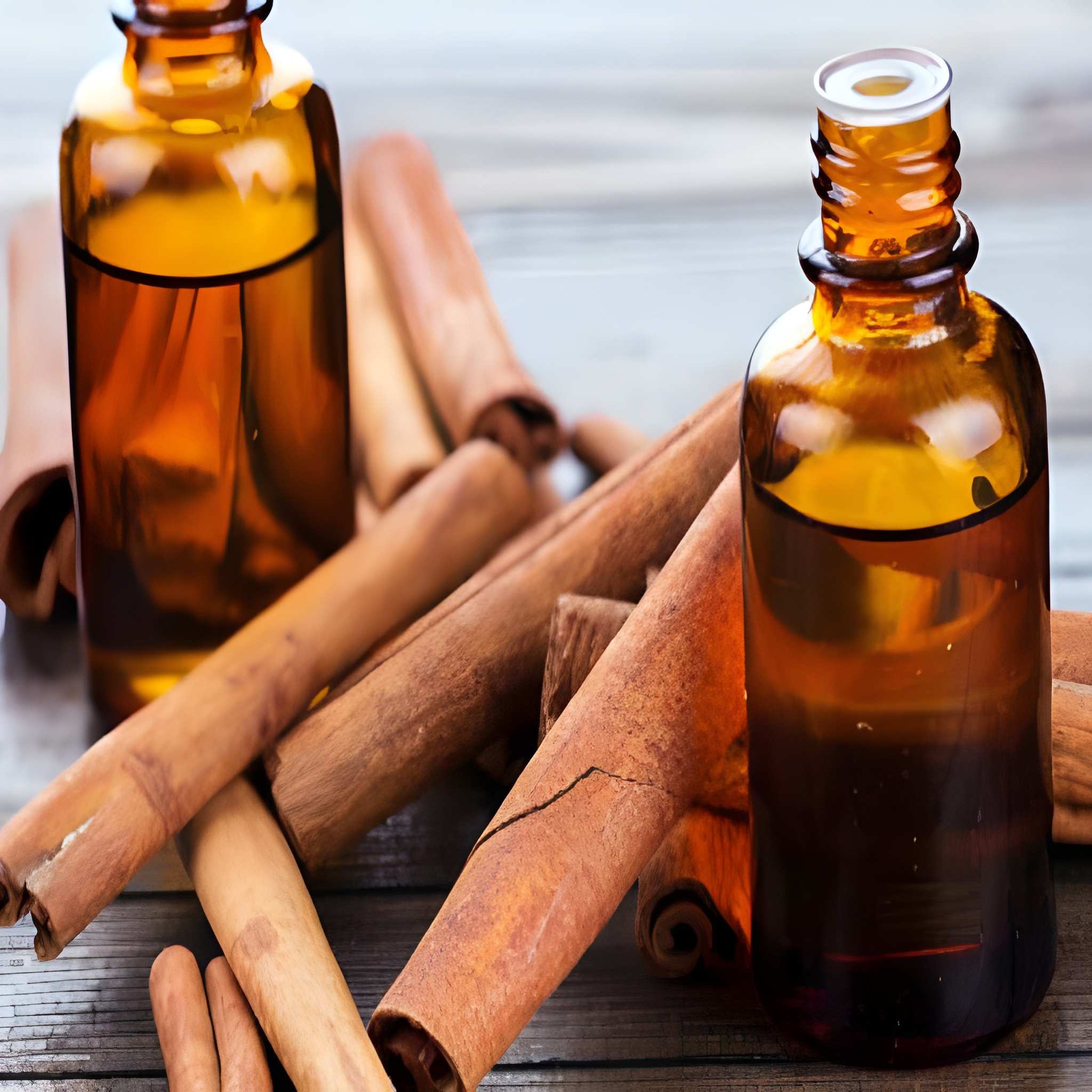
Cinnamon Oil is a warm, spicy essential oil distilled from the bark and leaves of Cinnamomum species. Known for its powerful aroma and stimulating properties, it is commonly used in aromatherapy, perfumery, and natural formulations. Due to its strong nature, it is best used externally and always in diluted form.
Botanical Name: Cinnamomum cassia / Cinnamomum zeylanicum
Plant Family: Lauraceae
Common Names: Cinnamon, Cassia, True Cinnamon
Ideal for use in aromatherapy, perfumery, and natural insect-repellent formulations.
Description
Cinnamon Oil is a potent essential oil obtained from the bark and leaves of cinnamon trees (Cinnamomum species). One of the world’s most valued spices, cinnamon has a long history of culinary and medicinal use. The essential oil carries a strong, warm, and spicy aroma and is prized for its antimicrobial, stimulating, and aromatic properties.
Because of its intensity, cinnamon oil is used primarily in aromatherapy, perfumery, and industrial applications rather than internal consumption.
Cultivation & Harvesting
-
Native to South and Southeast Asia
-
Cultivated in Sri Lanka, India, China, and Southeast Asia
-
Oil extracted from bark, leaves, and twigs
-
Steam distillation used to obtain essential oil
Botany
-
Evergreen tree with aromatic bark and leaves
-
Belongs to the Lauraceae family
-
Bark is the most valued part for both spice and oil production
-
Leaves also yield oil rich in cinnamaldehyde
Aroma & Characteristics
-
Aroma: Warm, spicy, sweet, and intensely aromatic
-
Color: Yellow to reddish-brown
-
Viscosity: Medium
-
Strength: Very strong (requires dilution)
Chemical Composition
The primary active constituent of cinnamon oil is cinnamaldehyde, along with other aromatic compounds responsible for its strong antimicrobial and stimulant properties.
Therapeutic Properties
Antibacterial, antifungal, antimicrobial, antiviral, astringent, stimulant, carminative, circulatory tonic, and aphrodisiac.
Uses & Preparations
-
Used in aromatherapy to stimulate circulation and mental alertness
-
Added to potpourris and diffusers as a room freshener
-
Utilized as a natural mosquito repellent and insect control agent
-
Common ingredient in perfumery and herbal formulations
-
Enhances the effectiveness and aroma of other essential oils
Blending & Compatibility
Cinnamon oil blends well with:
Lemon, rosemary, geranium, lavender, cardamom, and other citrus or spice oils.
Scientific & Traditional Use
Cinnamon has been used globally for centuries to support digestion, circulation, respiratory health, and vitality. Modern research highlights its antibacterial and antifungal potential, including applications in food preservation and natural pest control.
Precautions
-
For external use only
-
Must always be diluted before topical application
-
May cause skin irritation or allergic reactions
-
Avoid use on face and sensitive areas
-
Perform a patch test before use
-
Not recommended for internal consumption
Consult a qualified healthcare practitioner before use, especially during pregnancy or if you have sensitive skin.