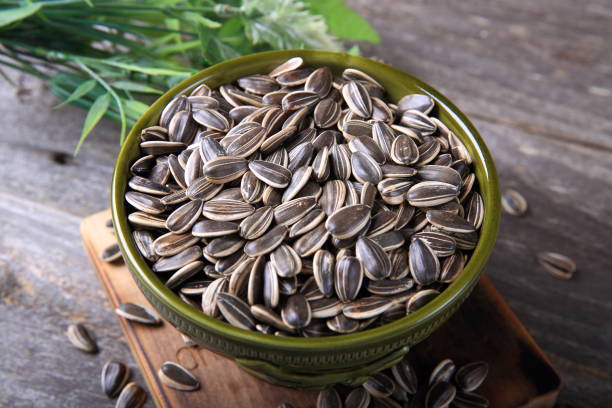
Sunflower Seed
Sunflower Seeds (Helianthus annuus) are edible seeds prized for their mild, nutty flavor and nutritional benefits. Commonly consumed raw or roasted, they are a staple in snacks, baked goods, salads, cereals, and granola.
- Family: Asteraceae
- Botanical Name: Helianthus annuus
- Origin: Widely cultivated worldwide (Eastern Europe, Russia, China, Argentina, USA, India)
- Parts Used: Seeds
- Flavor Profile: mild, nutty, slightly sweet
Ideal for culinary, health, and cosmetic applications.
Description
Sunflower Seeds (Helianthus annuus) are valued worldwide for their mild, nutty flavor and exceptional nutritional profile. They can be consumed raw or roasted and are used in snacks, baked goods, cereals, granola, salads, and spreads. Sunflower seeds are also processed into sunflower oil and sunflower seed butter.
Nutritional Attributes
Rich in vitamin E, magnesium, selenium, healthy unsaturated fats, plant protein, and dietary fiber, sunflower seeds provide antioxidant and heart-healthy benefits.
Culinary Uses
Consumed raw or roasted as a snack, added to baked goods, cereals, granola, and confectionery, or pressed into sunflower oil. Their mild, nutty, slightly sweet flavor complements a variety of dishes.
Cosmetic Uses
Sunflower seed oil is used in soaps, lotions, creams, hair care products, and massage oils. It helps moisturize, protect, and strengthen the skin barrier, suitable for all skin types.
Medicinal & Wellness Attributes
Traditionally used to support heart health, reduce inflammation, and promote overall wellness due to its nutrient-rich and antioxidant properties.
Storage
Store in a cool, dry place away from direct sunlight to maintain freshness.