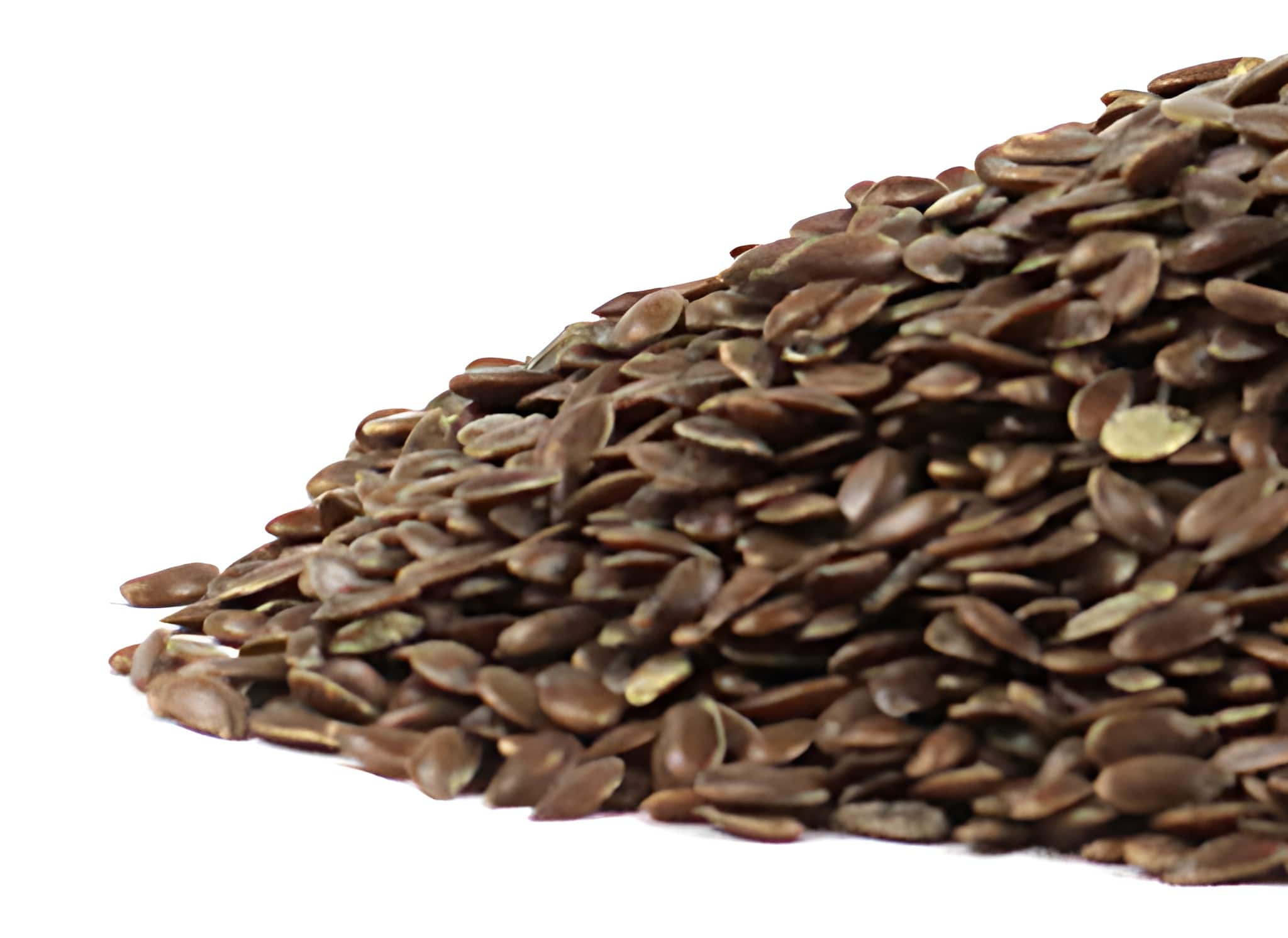
Flax Seed
Flax Seed (Linum usitatissimum) is a nutrient-rich seed valued for its omega-3 fatty acids, fiber, and versatile culinary uses. Commonly consumed as whole seeds, ground seeds, or flax seed oil, it supports overall health and wellness.
- Botanical Name: Linum usitatissimum L.
- Plant Family: Linaceae
- Parts Used: Seeds (whole or ground)
Ideal for use in oils, capsules, baked goods, cereals, and health-focused formulations.
Description
Flax Seed (Linum usitatissimum) has been cultivated for thousands of years, originating from the Middle East and India. Its seeds are nutrient-dense, containing essential fatty acids, fiber, and beneficial compounds. Flax has long been used both as a food source and in traditional medicine.
The flax plant grows nearly four feet tall, producing round dry fruits that contain the seeds. Flax seeds are highly versatile and are used in various forms including whole seeds, ground seeds, oils, and oil capsules. They are commonly incorporated into breads, cereals, muffins, and breakfast bars. With omega-3 deficiency being common, flax seeds provide a valuable source of these essential fatty acids.
Parts Used
- Seed, whole or ground into a meal
Typical Preparations
- Flax seed oil
- Whole seeds
- Ground seeds
- Capsules
- Added to breads, cereals, muffins, and breakfast bars
Summary
Flax seeds have been used for thousands of years as a food and nutrient source. They can be pressed into oil or used in whole or ground form in a variety of culinary applications. Their versatility makes them an important addition to a health-conscious diet.
Precautions
- Specific: Flax seed should be taken with at least 200 ml (6 oz) of water. Orally administered drugs should be taken one hour before or several hours after flax seed, as it may slow absorption.
- General: Consult with a qualified healthcare practitioner if pregnant, nursing, or taking medications.