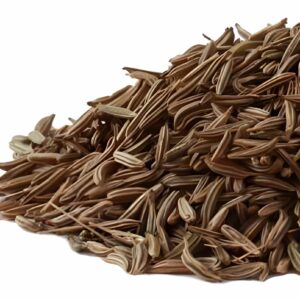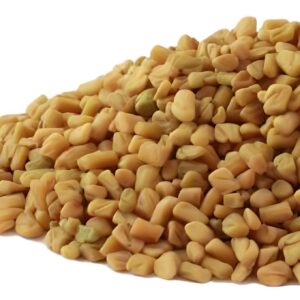
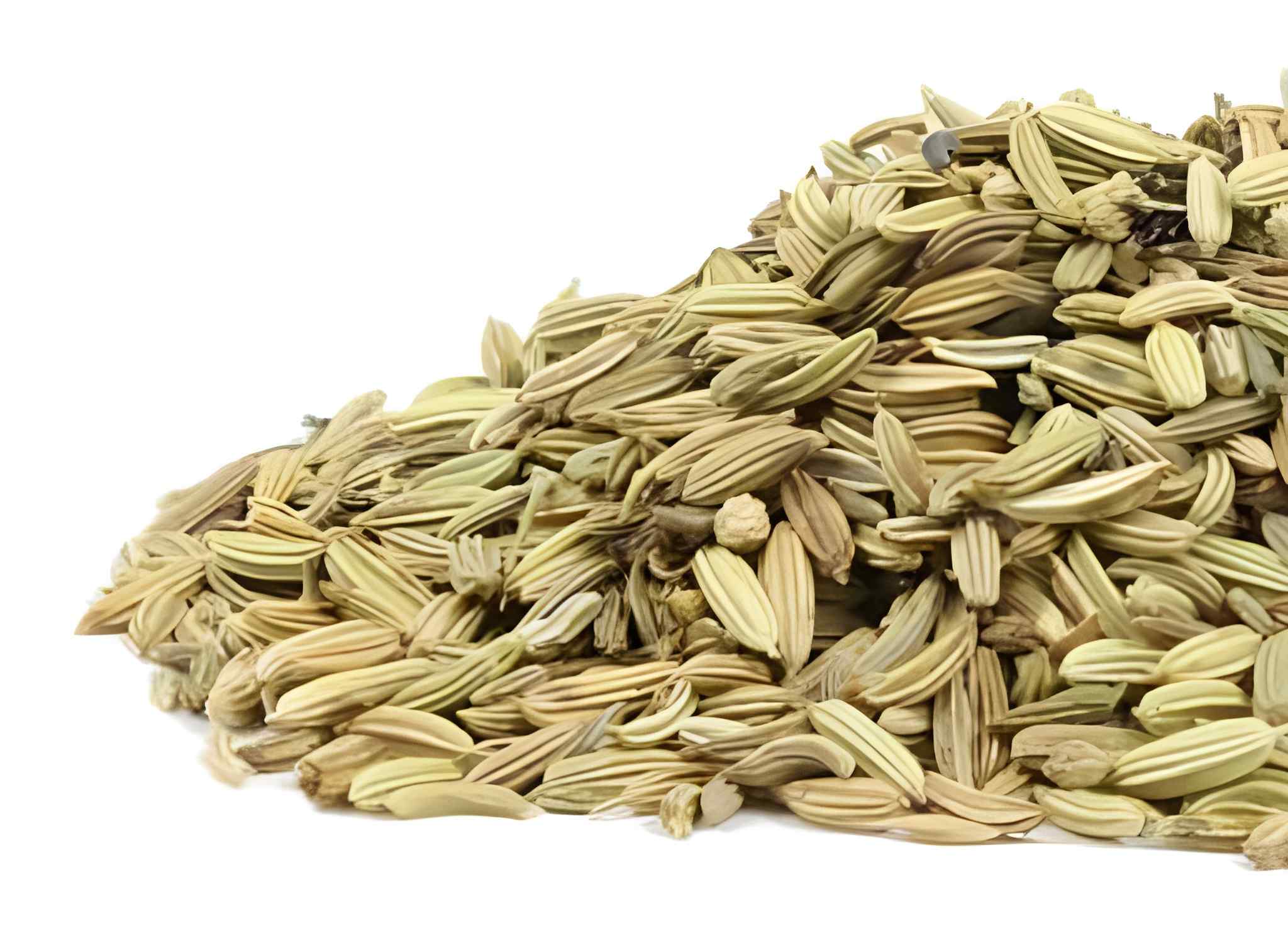
Fennel Seed
Fennel Seed is the dried aromatic fruit of Foeniculum vulgare, valued for its sweet, licorice-like flavor and long-standing culinary and traditional use. It is widely used as a spice, digestive aid, and flavoring agent across Mediterranean, Asian, and Middle Eastern cuisines.
- Botanical Name: Foeniculum vulgare Mill.
- Plant Family: Apiaceae
- Plant Part Used: Dried fruit (seed)
Suitable for food, beverage, herbal, and flavoring applications.
Description
COMMON NAME
Standardized: fennel
Other: shatapushpa
BOTANICAL NAME
Foeniculum vulgare Mill.
Plant Family: Apiaceae
OVERVIEW
Fennel was highly valued in the ancient world by Romans, Greeks, Egyptians, Chinese, and Indians for its value as a carminative, expectorant, and as a talisman used in rituals. Fennel is a food plant that can be eaten as a vegetable, is prized as a tasty aromatic spice for Ayurvedic and Mediterranean dishes, and is used as a flavoring in liqueurs such as gin and absinthe. Its gentle nature supports digestion in infants and children and can be given to nursing mothers.
BOTANY
Fennel can be annual, biennial, or perennial, growing up to 6 feet tall. It has bright yellow umbrella-shaped flowers typical of the Apiaceae family and feathery green leaves similar to dill (Anethum graveolens). Another cousin is anise (Pimpinella anisum), which has a similar scent. Medicinally valued varieties include common/bitter fennel (F. vulgare var. vulgare) and sweet fennel (F. vulgare var. dulce), while copper/bronze fennel (F. vulgare ‘Rubrum’) is eaten as a vegetable in Italy (finocchio). Fennel is native to the Mediterranean region and naturalized worldwide, particularly in California (known as wild anise). The Latin name foeniculum means ‘little hay.’
CULTIVATION AND HARVESTING
Fennel is cultivated in North America, Asia, and Egypt, and is an important medicinal crop in Germany. Roots can be harvested in the fall of the first year, and seeds (fruits) can be harvested in late summer.
HISTORY AND FOLKLORE
Fennel has been used since Hippocrates and by the Romans for its digestive, culinary, and ritual properties. The Greek name ‘marathon’ or marathos meant ‘to grow thin,’ and the plant grew abundantly near the “Battle of Marathon.” Fennel was honored in rituals for Adonis and Dionysus, symbolizing prosperity, fertility, and pleasure. Pliny the Elder believed fennel improved eyesight. In medieval times, hanging fennel above doors on Midsummer’s Eve was thought to ward off evil. In TCM, fennel increases appetite, reduces nausea, and relieves abdominal distention. Ayurveda regards fennel (‘saunf’, ‘madhurika’, ‘shatapushpa’) as balancing to all three doshas and nourishing to the brain and eyes. In Mediterranean cuisine, fennel leaves are used in salads and sauces, and Roman bakers used fennel under loaves to improve digestibility. In North America, Native peoples such as Cherokee, Pomo, and Hopi used fennel for digestion, eyewash, and ceremonial purposes. Today, fennel is used as a digestive aid, expectorant, spice, and support for nursing mothers.
FLAVOR NOTES AND ENERGETICS
bitter, pungent, warming, sweet; aromatic, expectorant, digestive stimulant, carminative, antispasmodic, emmenagogue
USES AND PREPARATIONS
dried seed (fruit) as a spice (whole or powdered), tea, tincture, or encapsulated
fresh above-ground parts as a cooked vegetable or in salads
fresh seed (fruit) distilled as essential oil or made into a tincture
HERBAL MISCELLANY
Although fennel and anise are similar, herbalist Paul Bergner notes that anise is more warming and nervine, affecting the lungs, while fennel primarily supports digestion. Anise energy moves upward, producing a spiritually uplifting effect.
PRECAUTIONS
Specific: No known precautions.
General: Consult a qualified healthcare practitioner before using herbal products, especially if pregnant, nursing, or on medications.