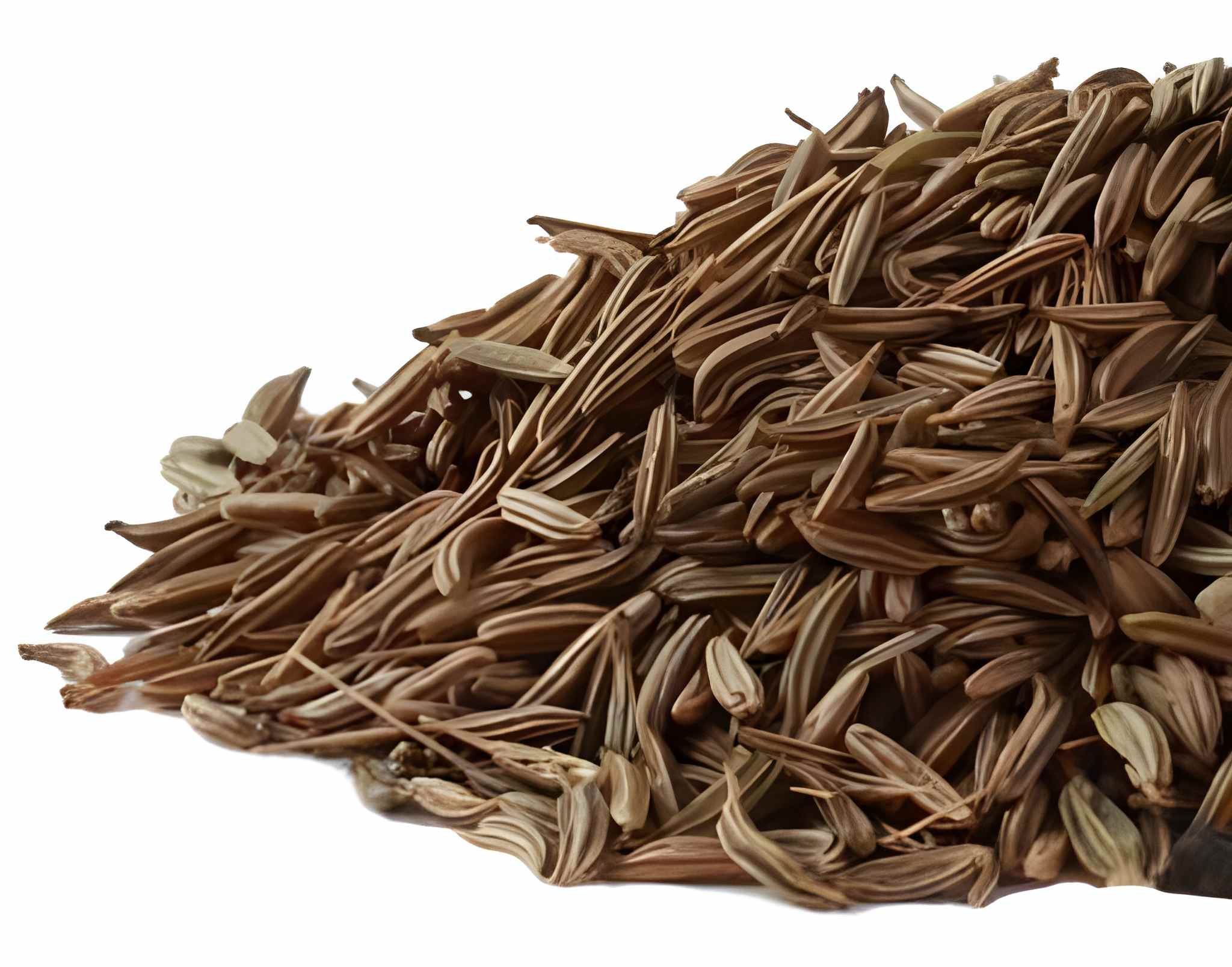
Cumin Seed
Cumin Seed is the dried fruit of Cuminum cyminum, widely used as a spice and flavoring agent in global cuisines. Known for its warm, earthy, and slightly bitter profile, cumin has a long history of culinary and traditional herbal use.
- Botanical Name: Cuminum cyminum L.
- Plant Family: Apiaceae
- Plant Part Used: Dried fruit (seed)
Suitable for food, beverage, herbal, and flavoring applications.
Description
Cumin Seed is obtained from the dried ripe fruits of Cuminum cyminum, a small annual herb belonging to the Apiaceae family. Native to the Mediterranean region, cumin has been cultivated and used for thousands of years across the Middle East, India, North Africa, and the Mediterranean.
Cumin is one of the most recognizable spices in world cuisine and has been valued historically not only as a culinary ingredient but also in traditional systems for its digestive-supporting qualities. Archaeological evidence shows cumin seeds in ancient Egyptian tombs, and historical texts from Greek, Roman, and Biblical sources reference its widespread use.
Botanical Information
- Botanical Name: Cuminum cyminum L.
- Family: Apiaceae
- Common Names: Cumin, Jira, Jeera
Origin & Cultivation
Cumin is commercially cultivated in India, Iran, Turkey, Egypt, Morocco, and Greece. India and the United States are among the leading producers of cumin essential oil. The plant typically grows up to 60 cm in height and produces elongated, aromatic fruits.
Plant Description
The plant bears fine, feathery leaves and characteristic umbelliferous flowers typical of the carrot family. Although often confused with black cumin or black seed, true cumin (Cuminum cyminum) is botanically distinct and has a milder, more aromatic profile.
Key Constituents
- Volatile essential oils
- Terpenes and aldehydes
- Natural oleoresins
Traditional Uses & Properties
Traditionally, cumin has been used to enhance digestion and balance flavors in foods. In Ayurvedic practice, it is often referred to as jira, meaning “that which aids digestion,” and is used in a variety of food-based preparations.
Applications
- Culinary spice for curries, chili powders, and spice blends
- Flavoring agent for sauces, meats, cheeses, and baked goods
- Traditional beverages such as jaljira
- Herbal teas and traditional formulations
- Extraction of cumin essential oil
Flavor Profile
- Warm, earthy, pungent, and slightly bitter
- Spicy aroma with lingering depth
Handling & Storage
Store in a cool, dry place away from light and moisture. Whole seeds retain flavor longer than ground cumin. Handle using standard food or botanical industry practices.
Precautions
Specific: No known precautions when used as intended.
General: Consult a qualified healthcare practitioner before using herbal products, especially if pregnant, nursing, or taking medications.
Regulatory & Usage Information
For industrial, formulation, and research use. Certificates of Analysis (CoA), technical documentation, and bulk supply options are available upon request.