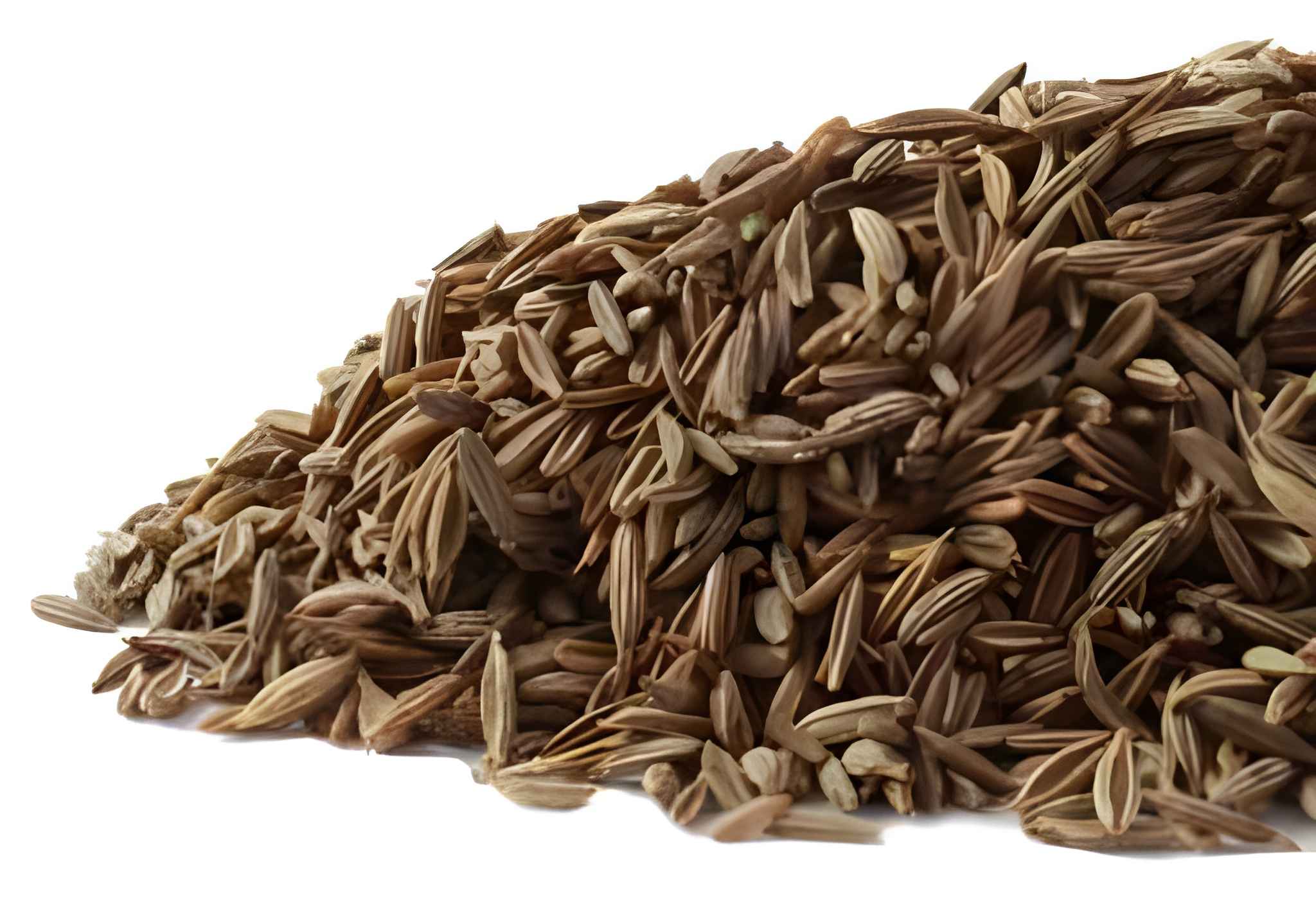
Caraway Seed
Caraway Seed is the dried fruit of Carum carvi, valued for its warm, aromatic flavor and long-standing use in culinary and traditional herbal preparations. It is especially known for its distinctive role in European and Scandinavian cuisines.
- Botanical Name: Carum carvi L.
- Plant Family: Apiaceae
- Plant Part Used: Dried fruit (commonly referred to as seed)
Ideal for food, beverage, herbal, and flavoring applications.
Description
Caraway Seed is obtained from Carum carvi, a biennial plant belonging to the Apiaceae family, which includes cumin, fennel, coriander, and dill. Although commonly referred to as a seed, each caraway “seed” is technically half of the plant’s dried fruit.
Caraway has been used in Europe longer than almost any other spice and is prized for its warm, slightly bitter, and aromatic profile. It is a key ingredient in Indian, Dutch, German, Russian, and Scandinavian cuisines, where it is traditionally used to flavor rye bread, cabbage dishes, soups, pickles, cheeses, and spirits.
Botanical Information
- Botanical Name: Carum carvi L.
- Family: Apiaceae
- Common Names: Caraway, Krishna Jiraka
Parts Used
- Dried fruits (used whole or ground)
Flavor Profile & Characteristics
- Warm, aromatic, slightly bitter taste
- More aromatic and bitter than cumin
- Complements both savory and sweet dishes
Traditional Uses & Preparations
Caraway seeds are traditionally prepared as teas, infusions, tinctures, and encapsulated herbal products. In culinary use, a small amount of ground caraway added toward the end of cooking helps prevent bitterness while enhancing aroma and flavor.
Applications
- Culinary seasoning for breads, cabbage, soups, and pickles
- Flavoring agent in liqueurs and spirits
- Herbal teas and traditional formulations
- Food, beverage, and botanical product development
Handling & Storage
Store in a cool, dry place away from heat, light, and moisture. Whole fruits retain aroma longer than ground material. Handle using standard food or botanical industry practices.
Precautions
Specific: No known precautions when used as intended.
General: Consult a qualified healthcare practitioner before using herbal products, especially if pregnant, nursing, or taking medications.
Regulatory & Usage Information
For industrial, formulation, and research use. Certificates of Analysis (CoA), technical documentation, and bulk supply options are available upon request.