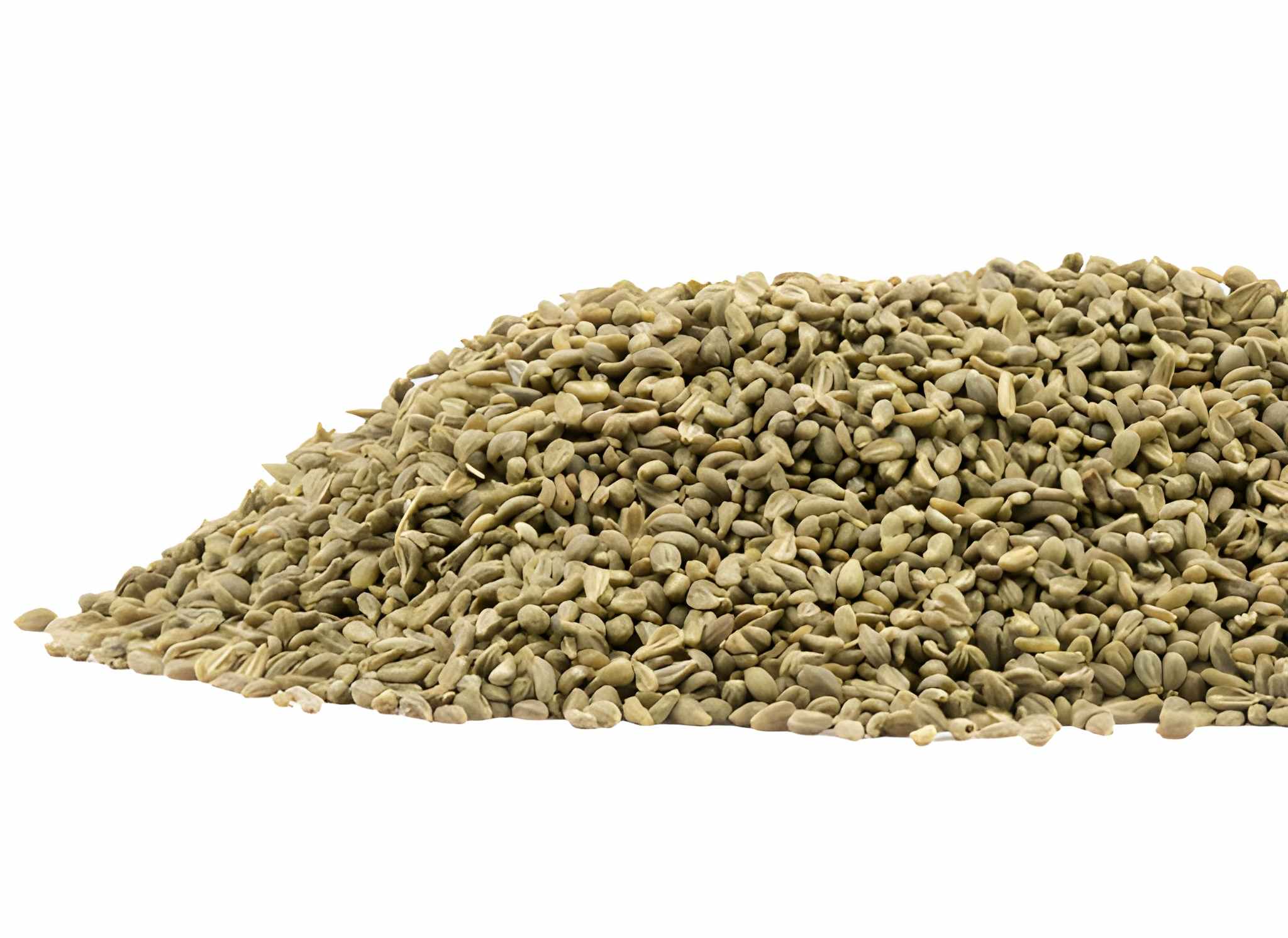
Anise Seed
Anise Seed is an aromatic spice obtained from Pimpinella anisum, known for its distinctive sweet, licorice-like flavor. It is widely used in culinary applications, traditional herbal preparations, and flavoring formulations.
- Botanical Name: Pimpinella anisum
- Plant Family: Apiaceae
- Plant Part Used: Dried fruit (seed)
Ideal for food, beverage, herbal, and flavoring applications.
Description
Anise Seed is derived from the dried fruit of Pimpinella anisum, a flowering plant belonging to the Apiaceae family, which also includes carrot, cumin, dill, fennel, and coriander. The seeds are valued for their strong, sweet aroma and licorice-like flavor, which is primarily due to the presence of the natural compound anethole.
Although often associated with licorice flavoring, many foods and confections achieve their characteristic taste from anise rather than licorice itself. Anise has a long history of use in culinary traditions, herbal preparations, and beverage flavoring across Europe, the Middle East, India, and the Mediterranean region.
Botanical Information
- Botanical Name: Pimpinella anisum L.
- Synonym: Anisum vulgare
- Family: Apiaceae
- Common Name: Anise
Parts Used
- Whole dried fruit (commonly referred to as seed)
Key Characteristics
- Sweet, aromatic, licorice-like flavor
- Rich in essential oils, particularly anethole
- Stable flavor profile when properly stored
Traditional Uses & Properties
Anise has traditionally been used in both food and herbal systems. In baked goods, heating the seeds releases aromatic compounds that enhance flavor and aroma. The natural constituents of anise have also historically been valued for their preservative and flavor-balancing properties in culinary applications.
Applications
- Culinary spice for baking, curries, stews, and breads
- Flavoring agent in liqueurs such as ouzo, pastis, anisette, raki, and arak
- Herbal and traditional formulations
- Food, beverage, and flavor development
Handling & Storage
For optimal flavor retention, store seeds whole in a cool, dry place away from light and moisture. Grind just before use when possible. Handle using standard food or botanical industry practices.
Precautions
Specific: No known precautions when used as intended.