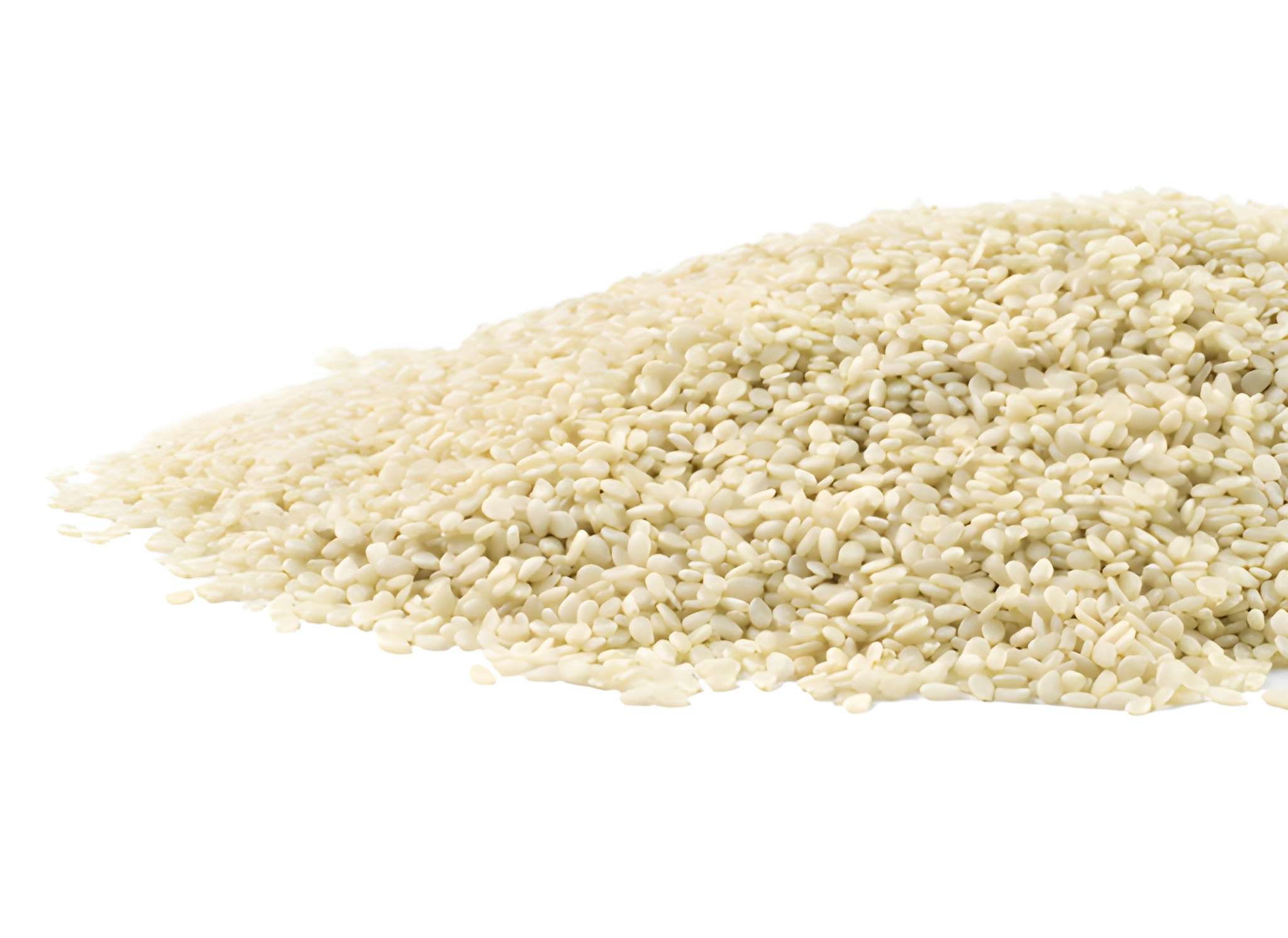
Sesame Seed
Sesame Seed (Sesamum indicum) is one of the oldest known condiments and has been used in cuisines across India, Egypt, Sumer, and the Asian subcontinent for thousands of years. It has a mild, nutty flavor and can be used whole, toasted, or as oil.
- Synonyms: Sesamum orientale
- Parts Used: Seed
- Typical Preparations: Whole seeds, dry toasted or steamed, sprinkled on foods
Ideal for breads, pastries, culinary seasonings, and traditional medicinal uses.
Description
Sesame Seed (Sesamum indicum) is a highly valued condiment with a rich culinary and cultural history. Known for its nutty flavor and versatility, sesame has been used for thousands of years across India, Egypt, Sumer, and the Asian subcontinent. The seeds can be eaten whole, toasted, steamed, or pressed into oil.
History & Overview
The phrase “open sesame,” popularized by the story of Ali Baba in One Thousand and One Nights, refers to the way ripe sesame pods burst open at the slightest touch. Archeological evidence shows sesame oil being used as a food in the Middle East as early as 3000 BCE and as a base for perfumes by Babylonians around 2100 BCE. Sesame seeds are also referenced in traditional medicinal texts, including the Divine Husbandman’s Classic of Materia Medica over 2,000 years ago.
Parts Used
Seed
Typical Preparations
Whole seeds are often dry toasted or steamed just before use. They may be sprinkled liberally on foods, used in baked goods, or processed into oil.
Precautions
Specific: Sesame is a relatively common cause of food allergy.
General: Consult a qualified healthcare practitioner before using herbal products, particularly if pregnant, nursing, or on medication.